Free delivery on orders of $70 or more (Quebec/Ontario), $100 (rest of Canada) before taxes and after discounts.

By Nicolas Martineau, B.Sc. Nutrition
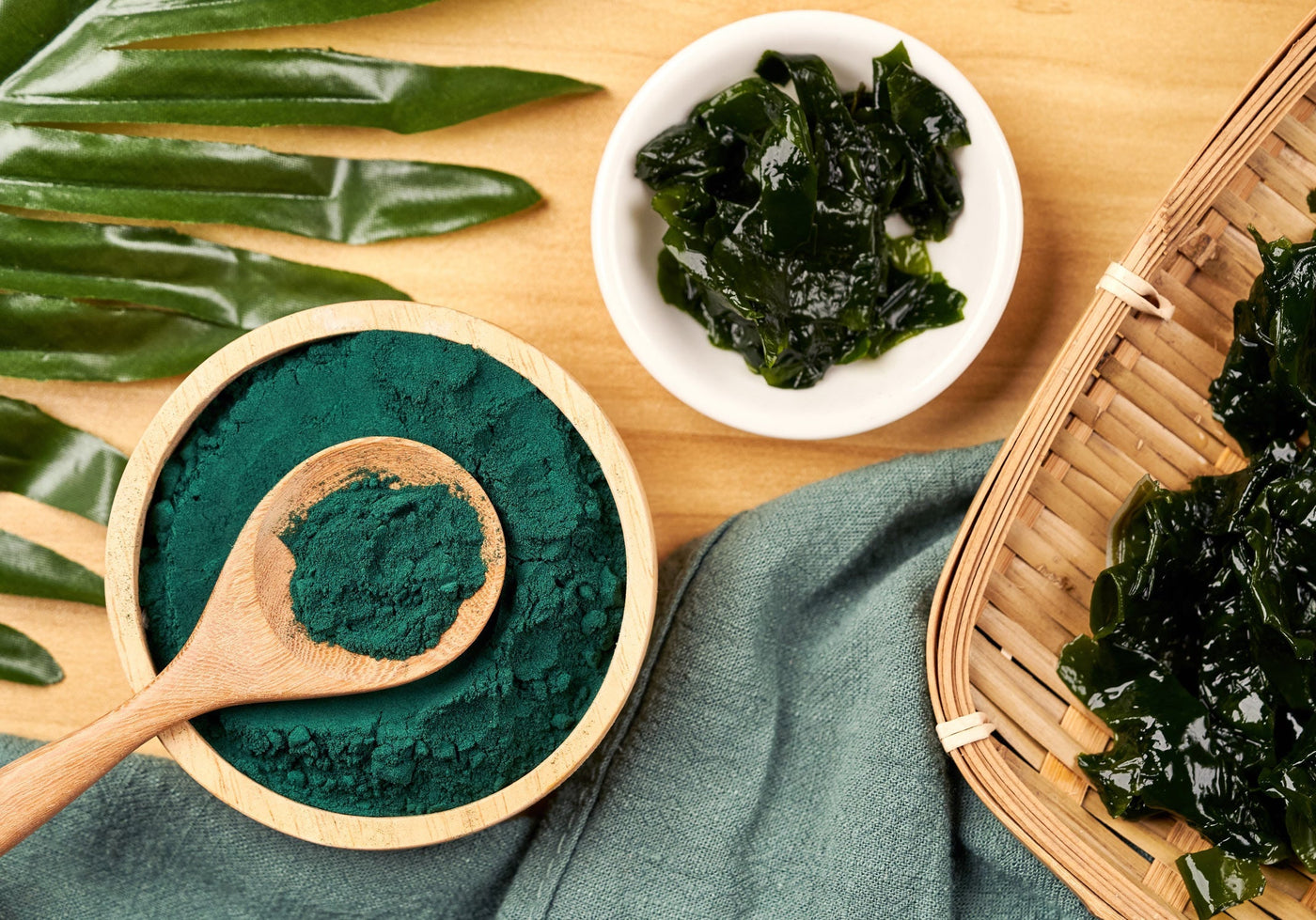
Spirulina is a superfood with impressive nutritional values. This blue-green microalga is rich in protein, iron, calcium, vitamins, and minerals that surpass staple foods such as beef, tofu, and milk.
Beyond its nutritional advantages, spirulina also offers significant health benefits. In this article, we will highlight its recognized health benefits as well as other promising ones still under study.
Spirulina: Health Benefits (recognized by Health Canada)
Antioxidant properties
Spirulina is rich in polysaccharides, phycocyanins, and even contains selenium. It provides several antioxidants known to fight free radicals and oxidative stress. Our body needs antioxidants on a daily basis to optimize health and prevent potential chronic diseases.
Helps reduce allergic rhinitis symptoms
Although natural, spirulina has been shown to be more effective than some medications in fighting seasonal allergies!
A study revealed that 2 g of spirulina was more effective than antihistamine medications containing cetirizine (e.g., Reactine). Conducted in 2020 with 53 patients, the study demonstrated that spirulina reduced histamine production more effectively.
(Note to the reader: histamine is responsible for the symptoms associated with seasonal allergies.)
Supports red blood cell formation
Rich in iron, spirulina contributes to the formation of red blood cells, which are essential for carrying oxygen and iron throughout the body. For this reason, spirulina is a preferred dietary supplement for vegans. By supporting red blood cell formation, this superfood also helps prevent certain forms of anemia.
Supports eye, skin, membrane, and immune function
Since spirulina is a rich source of beta-carotene (a provitamin A), this microalga contributes to healthy eyes, skin, and immune system function.
Health Benefits Under Study
Anti-inflammatory properties
Spirulina is a complex superfood as it contains multiple active compounds. Phycocyanin and beta-carotenes in particular are believed to have anti-inflammatory effects. Phycocyanin may inhibit the production of pro-inflammatory cytokines. Its antioxidant effects may also contribute to its anti-inflammatory properties.
Lipid-lowering effects
Rich in gamma-linolenic acid (GLA), spirulina has a positive impact on lipid profiles. Studies show that spirulina helps reduce levels of bad cholesterol (LDL and VLDL) significantly, while also increasing good cholesterol (HDL) levels in the blood.
Immunomodulatory effects
Spirulina contains a wide variety of natural active compounds that support immune function. Among them, gamma-linolenic acid (GLA) plays an important role in immune system modulation. Another compound, C-phycocyanin, may also help stimulate and regulate the immune system.
Antiviral properties
In-vitro studies indicate that spirulina may inhibit the replication of several viruses, including herpes simplex and influenza. Its antiviral properties appear linked to its ability to block viruses from attaching to and entering cells. Additionally, spirulina’s ability to clinically stimulate the immune system may further explain these effects.
Antithrombotic properties
Preliminary studies suggest that spirulina may help prevent thrombosis. Gamma-linolenic acid, phycocyanin, and other polysaccharides appear to have antiplatelet effects and inhibit thrombin activity. Its anti-inflammatory properties may also contribute to preventing blood clot formation.
Regulates gut microbiota
Some studies show that combining spirulina with probiotics is more effective than probiotics alone. Spirulina may help reduce certain harmful bacteria while increasing beneficial ones. It also seems to have prebiotic effects, serving as nourishment for good bacteria.
Helps lower blood pressure
High blood pressure is a major risk factor for cardiovascular disease. Several studies suggest that as little as 2 g of spirulina per day can help reduce both systolic and diastolic pressure, particularly in individuals already suffering from hypertension.
Although its mechanisms of action are not yet fully understood, spirulina contains significant amounts of potassium, phycocyanin, and natural angiotensins, which partly explains its effectiveness.
Improves physical performance
Several studies have demonstrated that spirulina supplementation can improve physical performance. It has been shown to support recovery, endurance, and both average and maximum muscle strength.
Spirulina contains a wide range of active compounds, including cysteine, arginine, phycocyanin, many antioxidants, and vitamins. Research is still ongoing to identify the exact elements and mechanisms responsible for these effects.
Conclusion
In summary, spirulina offers undeniable health benefits along with many promising effects currently being studied for a deeper understanding. One thing is certain: consuming spirulina regularly helps improve overall health.
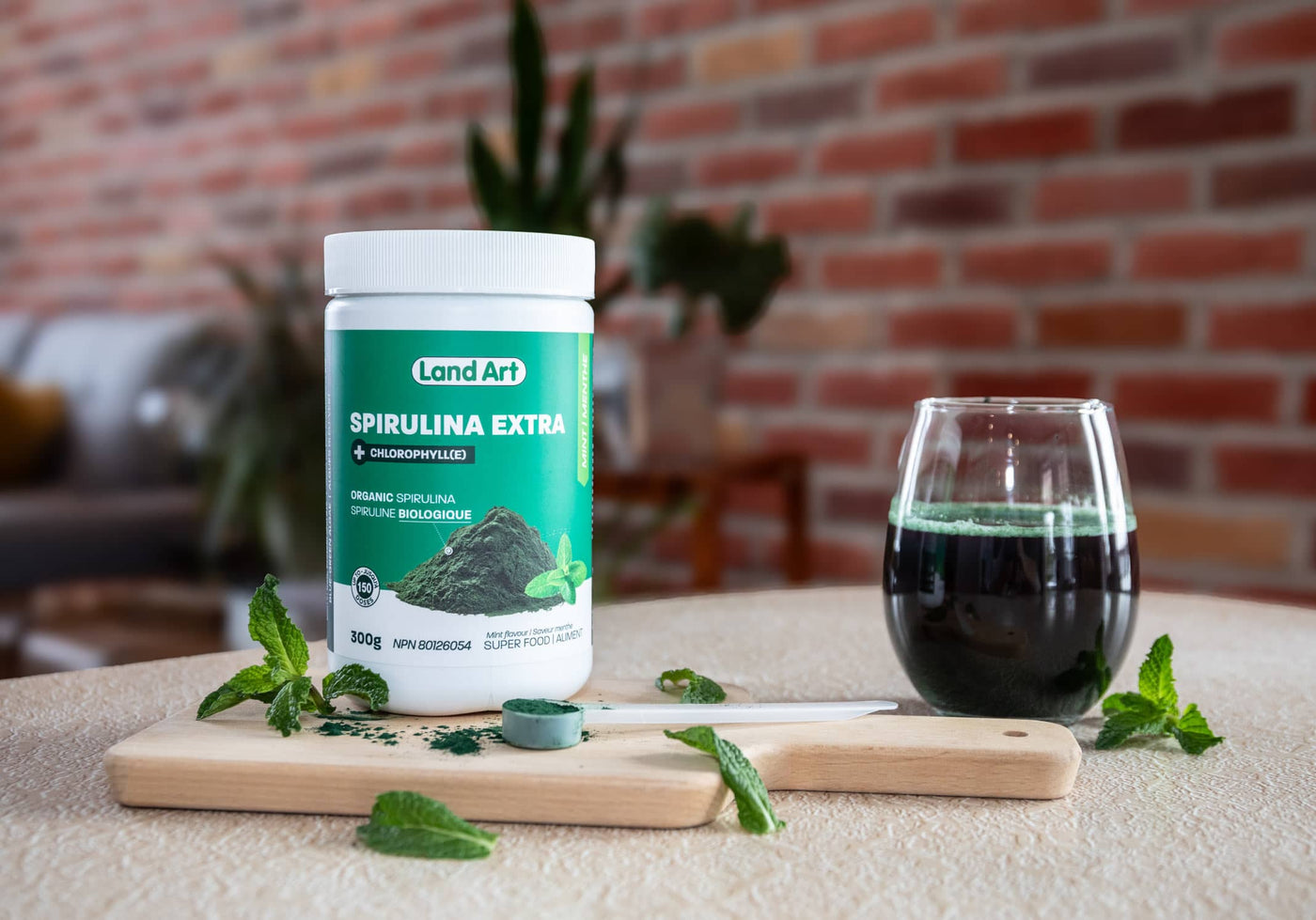
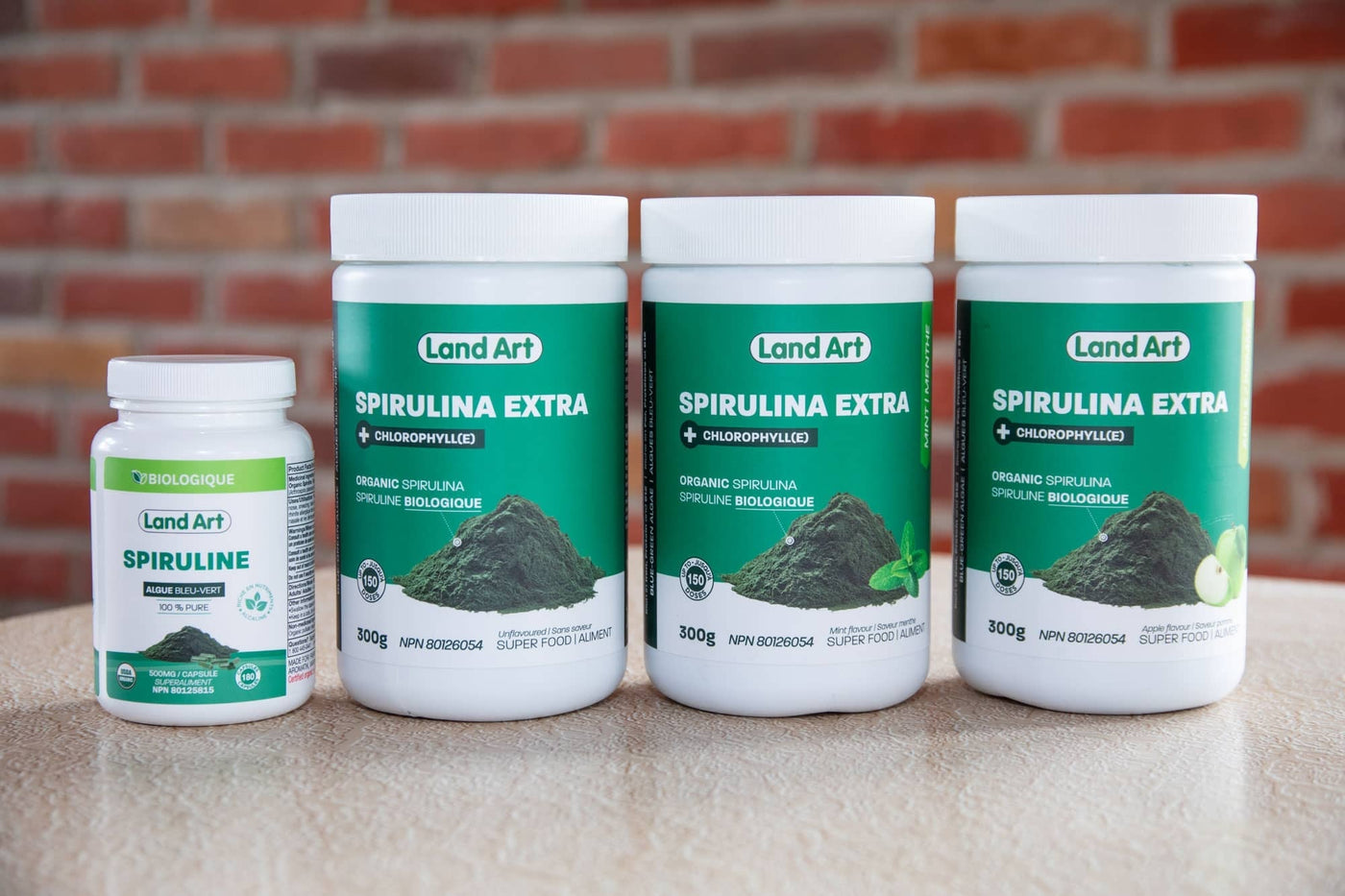
Since different qualities of spirulina exist on the market, it is important to choose a trusted source. Opt for a product grown in greenhouses and rigorously tested by an independent laboratory. Land Art spirulina meets all these quality standards.
To your health!
References:
- Machowiec et al, 2021, Effect of Spirulina Supplementation on Systolic and Diastolic Blood Pressure: Systematic Review and Meta-Analysis of Randomized Controlled Trials. Nutrients. 2021 Sep; 13(9):3054. https://www.ncbi.nlm.nih.gov/pmc/articles/PMC8468496/
- Azemi et al, 2023, Effect of Linoleic Acid on Cholesterol Levels in a High-Fat Diet-Induced Hypercholesterolemia Rat Model. Metabolites. 2023 Jan; 13(1):53. https://www.ncbi.nlm.nih.gov/pmc/articles/PMC9864559/#:~:text=In%20another%20study%2C%20linoleic%20acid,preventing%20cardiovascular%20diseases%20%5B14%5D.
- Zhang et al, 2022, Effects on Spirulina Supplementation on Immune Cells Parameters of Elite College Athletes. 2022 Oct; 14(20): 4346. https://www.ncbi.nlm.nih.gov/pmc/articles/PMC9612057/
- Fais et al, 2022, Wide Range Applications of Spirulina: From Earth to Space Missions. Mar. Drugs. 2022 May; 20(5): 299. https://www.ncbi.nlm.nih.gov/pmc/articles/PMC9143897/
- Hamedifard et al, 2019, The effects of spirulina on glycemic control and serum lipoproteins in patients with metabolic syndrome and related disorders: A systematic review and meta-analysis of randomized controlled trials. Phytother. Res. 2019 Oct; 33(10): 2609-2621. https://pubmed.ncbi.nlm.nih.gov/31359513/
- Serban et al, 2016, A systematic review and meta-analysis of Spirulina supplementation on plasma lipid concentrations. Clin. Nutr. 2016 Aug; 35(4): 842-51. https://pubmed.ncbi.nlm.nih.gov/26433766/
- Wu et al, 2016, The antioxidant, immunomodulatory, and anti-inflammatory activities of Spirulina: an overview. Arch. Toxicol. 2016 Aug; 90(8):1817-40. https://pubmed.ncbi.nlm.nih.gov/27259333/
- Nourollahian et al, 2020, Clinical comparison of the efficacy of spirulina platensis and cetirizine for treatment of allergic rhinitis. Acta Otorhinolaryngol. Ital. 2020 Jun; 40(3):224-229. https://www.ncbi.nlm.nih.gov/pmc/articles/PMC7416373/
- Gurney et al, 2022, Algae Supplementation for Exercise Performance : Current Perspectives and Future Directions for Spirulina and Chlorella. Front. Nutr. 2022; 9 : 865741. https://www.ncbi.nlm.nih.gov/pmc/articles/PMC8937016/
- Grover et al, 2021, C-Phycocyanin- A novel protein from Spirulina platensis – In vivo toxicity, antioxidant and immunomodulatory studies. Saudi J. Biol. Sci. 2021 Mar; 28(3): 185301859. https://www.ncbi.nlm.nih.gov/pmc/articles/PMC7938138/
- Koukourani et al, 2020, Antithrombotic properties of Spirulina against platelet-activating factor and thrombin. Food Bioscience, 2020 Oct; Vol.37, 100686. https://www.sciencedirect.com/science/article/abs/pii/S2212429220310233
- Spirulina, Single Ingredient Monograph, Health Canada 2024. https://webprod.hc-sc.gc.ca/nhpid-bdipsn/atReq.do?atid=spirulin&lang=eng