Free delivery on orders of $70 or more (Quebec/Ontario), $100 (rest of Canada) before taxes and after discounts.

We’ve all been told this by our mother or grandmother:
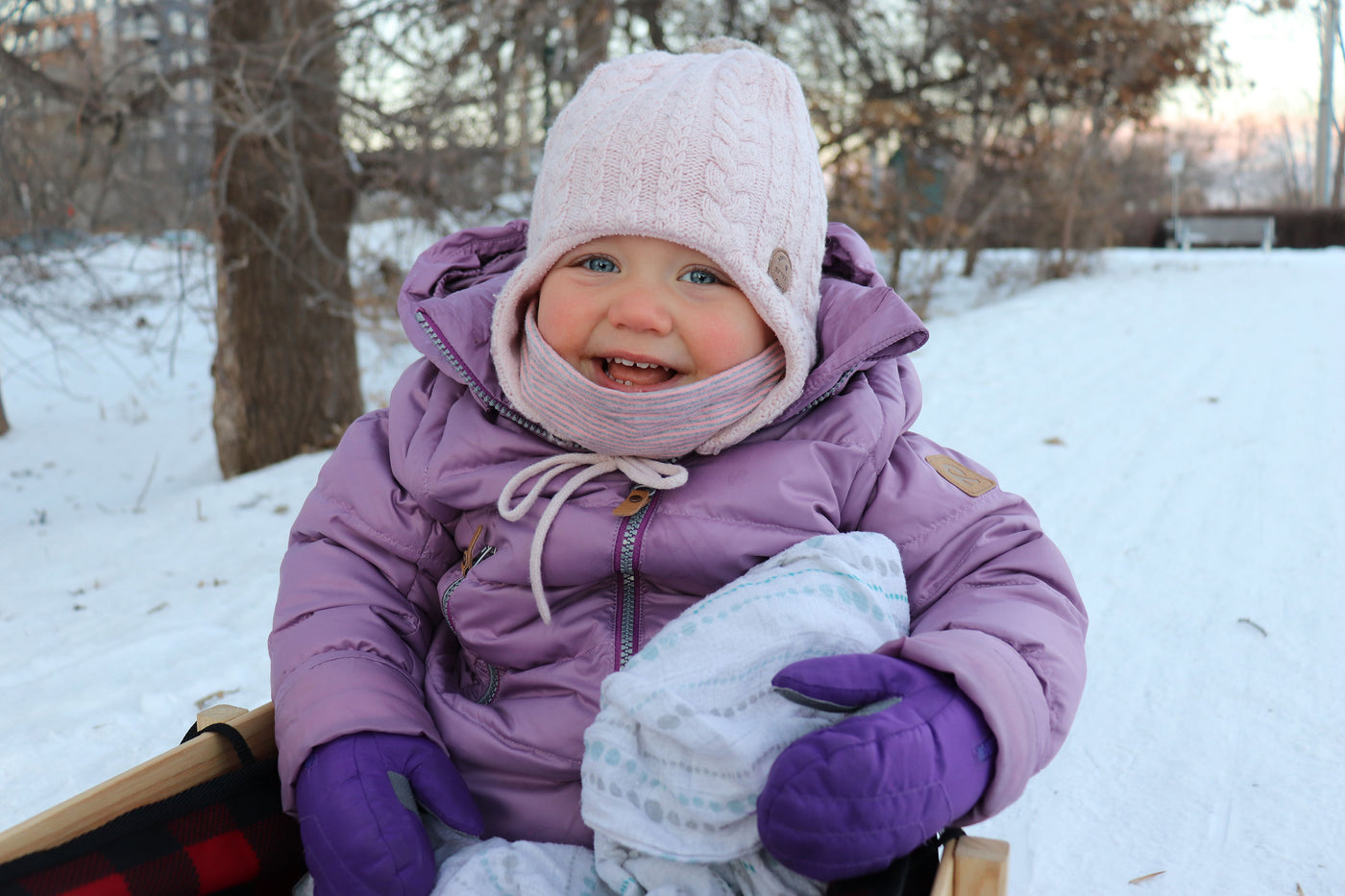
“Put on a coat! It’s cold, you’ll get sick!” Or my favorite: “Dress warmly! You’ll catch a chill! Or worse, your death! Ha ha!”
Far be it from me to question the wisdom of our elders, but… is it true? I had understood in recent years that this idea had been debunked, since we now know that colds and the flu are viral or bacterial infections, not illnesses caused directly by the cold.
However! There are always two sides to every story, aren’t there? In the world of metabolism and the immune system, things are rarely that simple — and never purely black or white!
Catching a cold from the cold: myth?
I did a bit of digging just in case “they” had changed their minds, but no — the medical verdict remains the same: the cold does NOT give you a cold!
That’s right. You could spend hours naked in a refrigerator, or even pass out a little tipsy face-first in a snowbank after a Christmas party, and you still wouldn’t catch a cold. What you could end up with are frostbite or hypothermia, which are definitely not desirable.
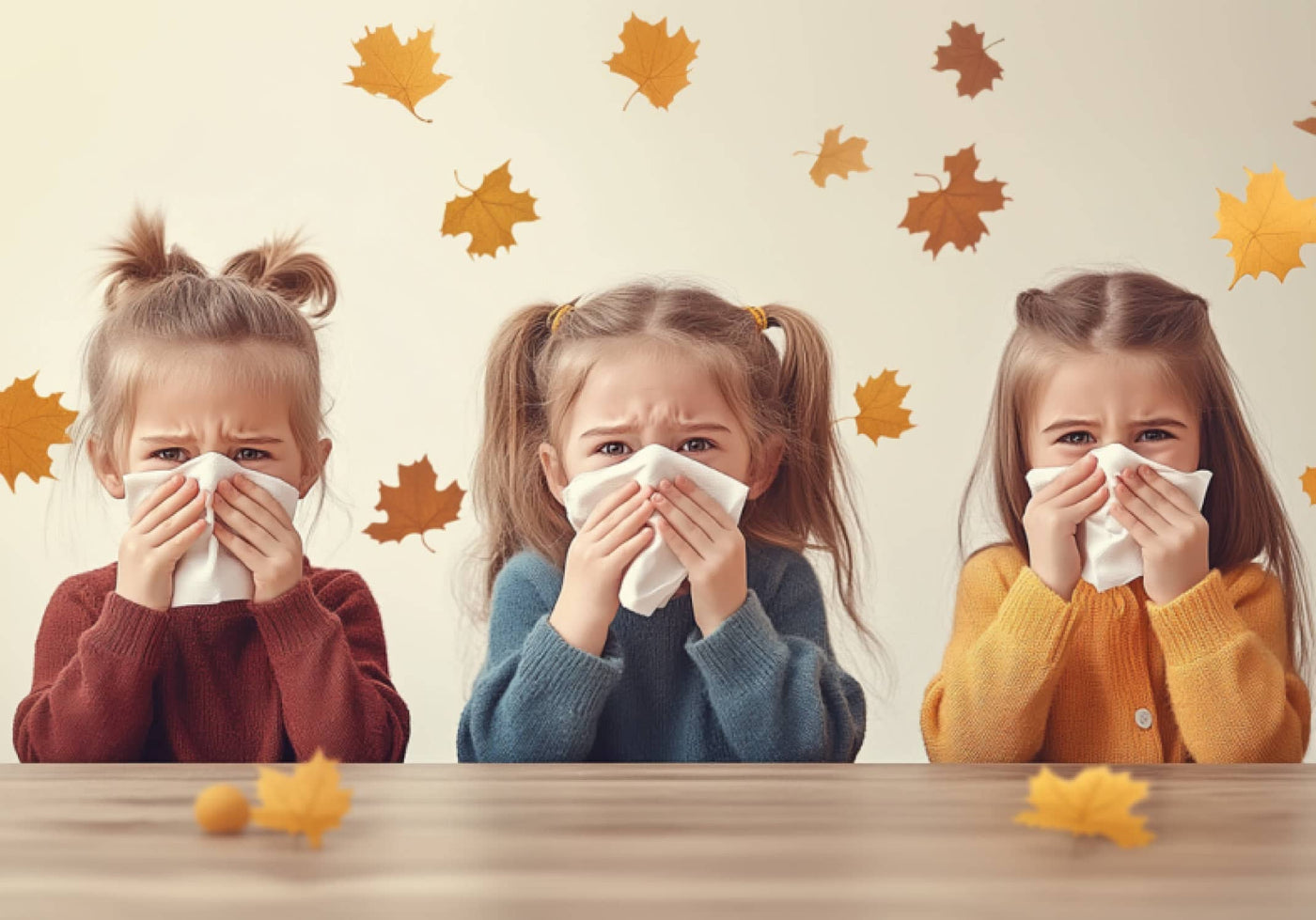
“Cold and flu viruses spread through saliva and mucus projected into the air by coughing and sneezing. Simply being near a sick person can expose you to their virus, which lingers in the air.”
According to Dr. Karl Weiss, microbiologist and infectious disease specialist at Montreal’s Jewish General Hospital:
“Because we’re indoors more often in winter than in summer, with people carrying viruses, it’s normal that we’re more exposed. But it has nothing to do with the cold.”
Thank you, Dr. Weiss, for that brilliant explanation!
But… were our grandmothers completely wrong?
What if — and I say IF — our grandmothers weren’t entirely wrong? Because let’s face it: the world hasn’t exactly become perfect since “hard science” took over our lives.
We’ve traded our good old grandmother’s remedies for lab-made pills. But maybe we should have kept a more open mind. If our ancestors were tougher than us, maybe there was a reason for it.
Now don’t worry, I’m not about to launch into a rant about today’s healthcare system. But I did wonder if there might be another angle to consider: how does the body respond when it already carries a cold virus?
How does cold affect the body?
We all know that spending a few minutes shivering outside in the snow is bad for the human body. But what exactly are the effects of low temperatures on the body?
To understand how cold influences us, remember this: body temperature depends on balance. The body must balance heat production with heat loss. Without this balance, it cannot maintain its core temperature of 37°C (98.6°F).
When a fever develops, body temperature rises. That rise helps destroy bacteria or viruses that cannot tolerate excess heat. It also boosts the immune system’s activity against infection. That’s why the question is worth asking.
What’s the link between cold and colds?
So I kept digging. What I found is that debate still exists.
Two main arguments appear often:
-
Cold air may dry out respiratory passages, making us more vulnerable to infection.
-
Some cold viruses may adhere better to dried-out nasal mucosa.
But since this is not consistent across all viruses, we can’t say for sure.
There’s also the hypothesis that the immune system — or at least its response to invaders — weakens when we are cold. Again, after hours of searching, the answer was still murky… until TADAAAM!
I came across a fascinating Yale University study, published in The Proceedings of the National Academy of Sciences. The article confirmed that the innate immune response to rhinoviruses (the most common cause of colds) is impaired at lower temperatures compared to normal core body temperature.
The study strongly suggested that temperature variations mainly affect the immune response, not the virus itself.
“In general, the lower the temperature, the weaker the innate immune response to viruses,” noted Dr. Iwasaki, lead author and professor of immunobiology at Yale.
In other words — and much to my delight — research may FINALLY be giving some credit to old wives’ tales about keeping warm, even covering your nose, to avoid catching a cold.
So, what’s the truth?
In conclusion: no, cold air itself doesn’t give you the virus that causes a cold — we already knew that.
But cold temperatures do impair the immune system, making it less effective at fighting off certain viruses. So bundle up! You might be carrying a virus without knowing it, and your system needs your help to fight it off.
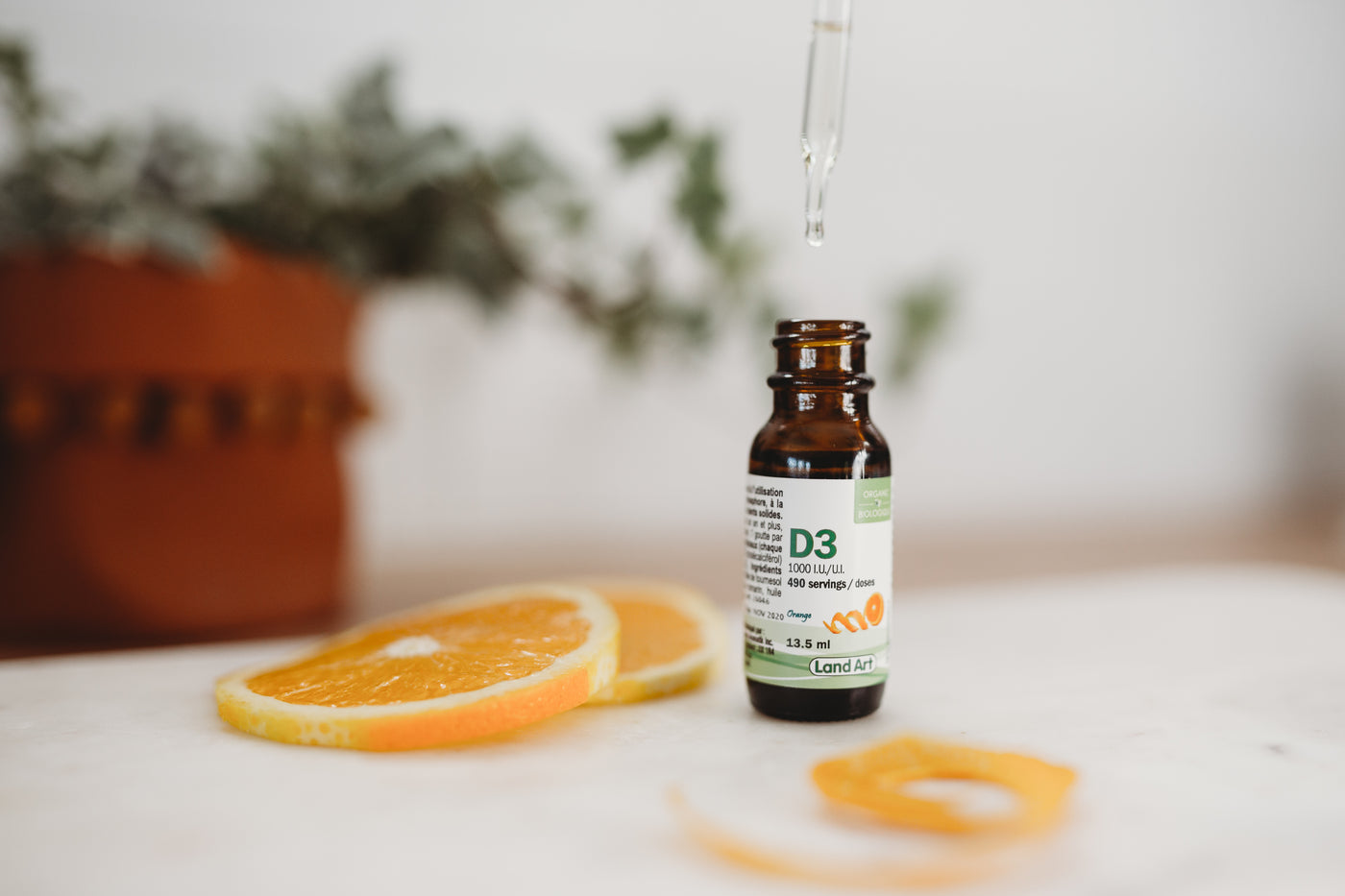
Psssst… You can also give your immune system a boost this winter with supplements from Land Art, like vitamin C, ginseng with royal jelly, vitamin D, or organic adaptogenic mushroom extract. These are powerful, natural allies. 🙂
References:
- https://www.pnas.org/content/112/3/827
- https://news.yale.edu/2015/01/05/cold-virus-replicates-better-cooler-temperatures
- https://en.wikipedia.org/wiki/Common_Cold_Unit
- https://www.sciencepresse.qc.ca/actualite/detecteur-rumeurs/2018/02/28/avoir-froid-donne-rhume-faux