Free delivery on orders of $70 or more (Quebec/Ontario), $100 (rest of Canada) before taxes and after discounts.


By Nicolas Martineau, B.Sc. Nutrition
Heartburn—also known as acid reflux or gastroesophageal reflux disease (GERD)—is often treated with medications that reduce stomach acid, strengthen the lower esophageal sphincter, or protect the esophagus from acid damage.
While these drugs can provide fast relief, they also come with risks and side effects when used long term. Here’s a complete guide to the main types of heartburn medications, their mechanisms of action, their drawbacks, and the best natural alternatives.
1. Antacids: Fast but Short-Term Relief
Antacids neutralize excess stomach acid, offering quick relief.
Examples: Tums, Maalox, Rennie.
How they work: Contain calcium carbonate, magnesium hydroxide, or aluminum hydroxide to neutralize stomach acid.
👉 Drawbacks:
-
Relief is temporary, symptoms often come back.
-
Side effects: bloating, constipation (aluminum), diarrhea (magnesium).
-
Risk of mineral deficiencies (iron, calcium, magnesium) since stomach acid is needed for absorption.
2. H2 Blockers: Reduce Stomach Acid
H2 blockers lower acid production by blocking histamine receptors in the stomach.
Examples: Ranitidine (Zantac), Famotidine (Pepcid), Cimetidine (Tagamet).
👉 Drawbacks:
-
Less effective than PPIs for chronic reflux.
-
Side effects: headaches, nausea, abdominal pain.
-
Tolerance may develop, reducing effectiveness over time.
-
Can interfere with other medications (e.g., blood thinners).
3. Proton Pump Inhibitors (PPIs): The Strongest Acid Blockers
PPIs are among the most powerful acid-reducing drugs.
Examples: Omeprazole (Prilosec), Esomeprazole (Nexium), Pantoprazole (Protonix).
👉 Drawbacks:
-
Long-term use linked to nutrient deficiencies (vitamin B12, calcium, magnesium) → risk of anemia, bone fractures, neurological issues.
-
Higher risk of infections (e.g., Clostridium difficile).
-
Possible cardiovascular risks (according to some studies).
-
Rebound symptoms when stopping treatment.
-
Interactions with other medications (blood thinners, HIV treatments).
4. Mucosal Protectants
Sucralfate (Carafate) forms a protective coating on the esophagus and stomach lining.
👉 Drawbacks:
-
Does not reduce acid production.
-
Useful only for localized irritation.
-
Side effects: constipation, rare abdominal pain.
-
Can interfere with absorption of other medications (e.g., antibiotics, cholesterol drugs).
Natural Alternatives and Lifestyle Changes
While medication may sometimes be necessary, addressing the root causes of heartburn is key.
🥗 Diet
Avoid foods that weaken the esophageal sphincter: fried or fatty foods, chocolate, coffee, alcohol, spicy dishes, carbonated drinks.
😴 Sleeping Position
Elevate your head while sleeping, and avoid lying down right after meals.
🧘 Stress Management
Stress slows digestion and worsens reflux. Try yoga, meditation, regular exercise, or calming supplements (e.g., magnesium, B-Complex Zen).
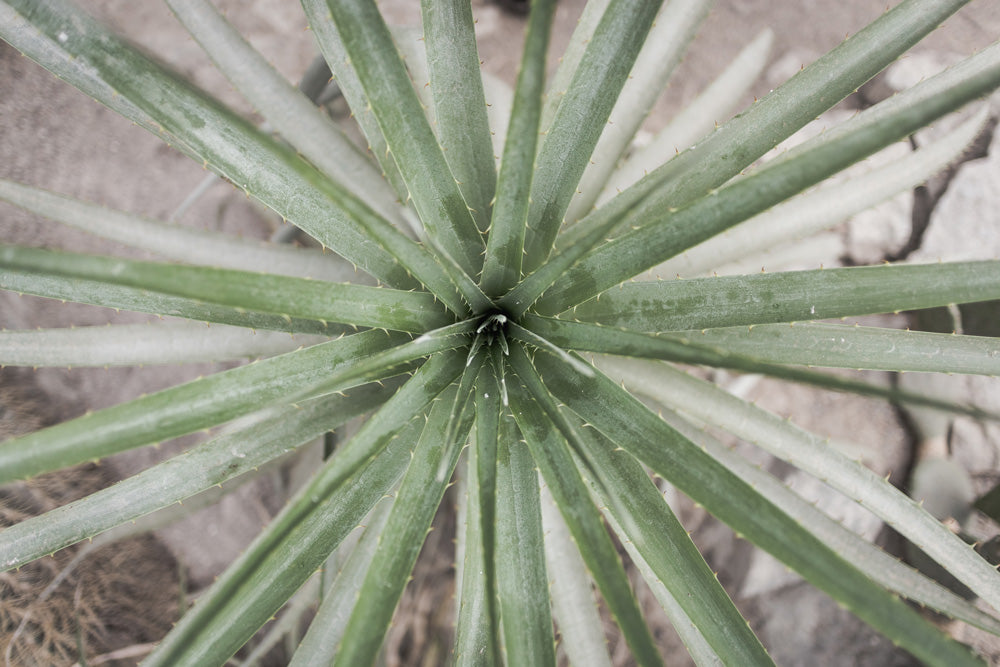
Aloe Vera: A Natural Ally Against Heartburn
Drinking aloe vera gel can be a safe and effective natural solution for acid reflux:
-
Provides anti-inflammatory and soothing effects.
-
Helps repair the esophageal and stomach lining.
-
Offers fast relief without triggering more acid production.
⚠️ Note: Some aloe vera products are sold as laxatives. Land Art’s drinkable aloe vera gels are aloïn-free and specifically designed for digestive comfort.
Available in 3 flavors:
-
Natural
-
Cranberry
-
Orange-Tangerine
Conclusion
Heartburn medications like antacids, H2 blockers, PPIs, and mucosal protectants can help manage symptoms, but long-term use carries risks. Instead of relying solely on medication, combine a healthier lifestyle, stress management, and natural remedies like aloe vera for lasting relief.
👉 Thanks to its anti-inflammatory, soothing, and protective properties, aloe vera is a natural, effective ally for managing acid reflux and heartburn.
References :
https://www.tandfonline.com/doi/abs/10.1080/14740338.2023.2238592
https://jamanetwork.com/journals/jama/fullarticle/2810360
https://onlinelibrary.wiley.com/doi/abs/10.1007/s00268-008-9780-9
https://www.ingentaconnect.com/content/ben/npj/2021/00000011/00000001/art00005