Free delivery on orders of $70 or more (Quebec/Ontario), $100 (rest of Canada) before taxes and after discounts.


Seasonal depression, also known as Seasonal Affective Disorder (SAD) or the “winter blues,” affects many people when days get shorter and sunlight decreases. Fatigue, irritability, sleep problems, and low energy are among the most common symptoms.
The good news? There are simple, natural ways to reduce its impact and better navigate the winter months.
What is Seasonal Depression?
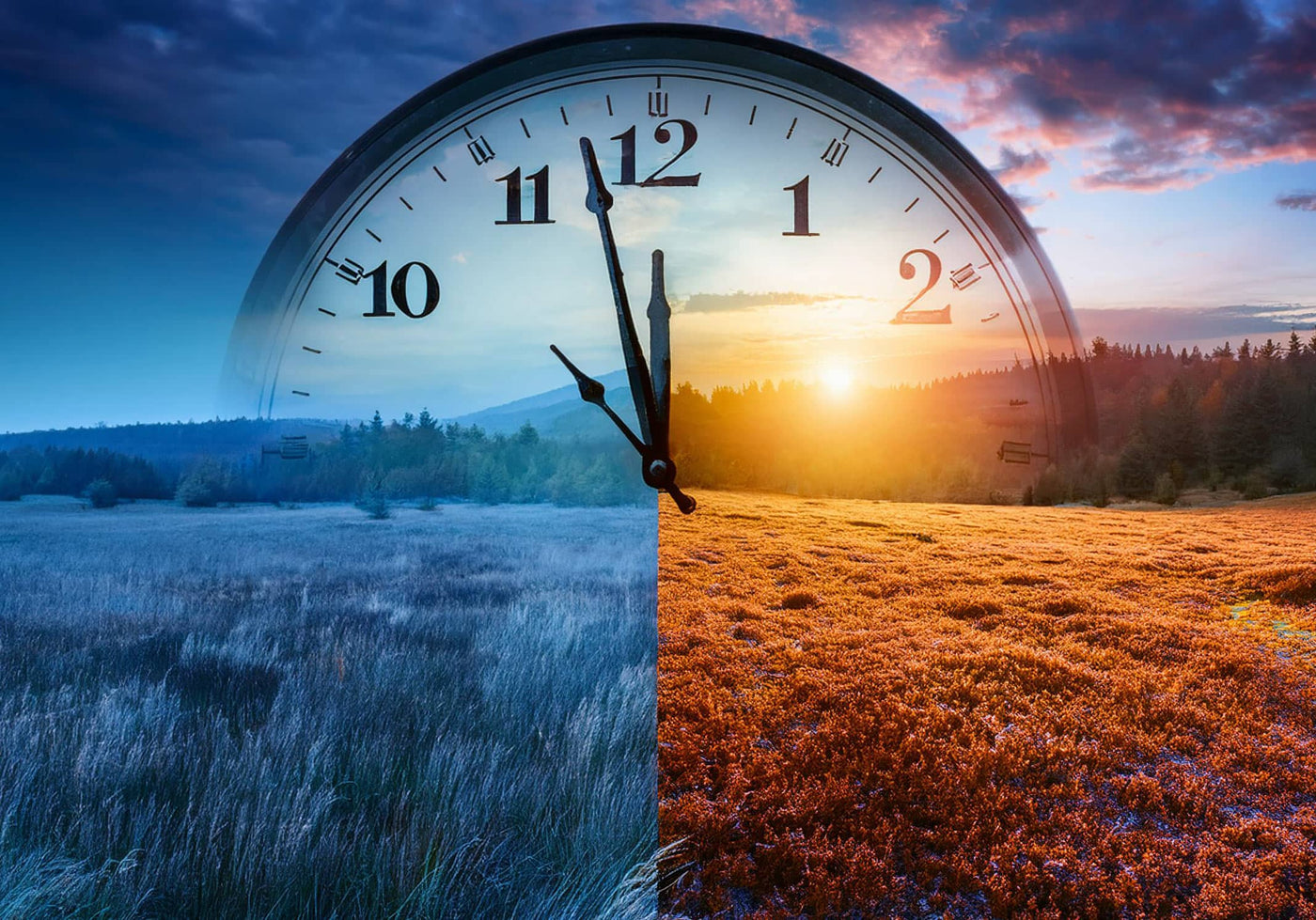
Seasonal depression is a mood disorder linked to changes in seasons, usually starting in the fall or winter and improving in the spring with more daylight.
Main Causes
-
Lack of sunlight → reduced melatonin (sleep hormone).
-
Lower serotonin levels (mood-regulating hormone).
-
Deficiencies in vitamins and minerals.
-
Sedentary lifestyle and increased stress.
Common Symptoms
Typical signs of seasonal depression include:
-
Fatigue and lethargy,
-
Anxiety and irritability,
-
Excessive sleepiness,
-
Cravings (especially for sweets),
-
Low libido,
-
Lack of motivation.
👉 Unlike clinical depression, seasonal depression is temporary and linked to reduced light exposure.
Who is Most at Risk?
SAD mainly affects people living in the northern hemisphere, where long, dark winters are common.
Natural Ways to Protect Yourself
1. Nutrition
-
Eat antioxidant-rich foods: fruits, vegetables, dark leafy greens, green tea, dark chocolate.
-
Add more fatty fish (rich in omega-3s).
-
Limit coffee, alcohol, sugar, and processed fats → they worsen fatigue and mood swings.
2. Lifestyle Habits
-
Get outside daily to benefit from natural light.
-
Exercise regularly → physical activity boosts endorphins, your body’s natural antidepressants.
-
Reduce screen time and prioritize quality sleep.
-
Try light therapy lamps, which mimic natural sunlight and have proven effective in up to 75% of cases.
3. Helpful Supplements
-
Multivitamins & minerals (zinc, calcium, magnesium, manganese) → support the nervous system.
-
Ginseng → an adaptogen that fights fatigue and stress.
-
B-Complex vitamins → key for mood regulation and neurotransmitter production.
-
Omega-3 fatty acids → clinically shown to ease depression symptoms.
Final Thoughts
Seasonal depression doesn’t have to take over your winter. With the right nutrition, lifestyle changes, and targeted supplements, you can reduce its effects and maintain energy, mood, and well-being throughout the season.
👉 If your symptoms persist or resemble clinical depression, seek professional medical advice.
References :
- Les aliments contre la maladie, Suzannah Olivier, ed. Caractere ;
- Vitamines et minéraux, comment les utiliser, ed. Goellette ;
- Bien se soigner, Caroline Green, ed. Trécarré ;
- Guide pratique de la phytothérapie, Andrew Chevalier, ed. HMH ;
- Symptômes causes et guérison, Ed Modus Vivendi ;
- Les médecines de la Nature, ed. Reader’s Digest ;
- Aliments Santé. Ed. Reader’s Digest ;
- Le guide des vitamines et suppléments de Dr Earl Mindell, ed.Modus Aventure ;
- La Pharmacie Verte, James A. Duke, ed. Modus Vivendi.